
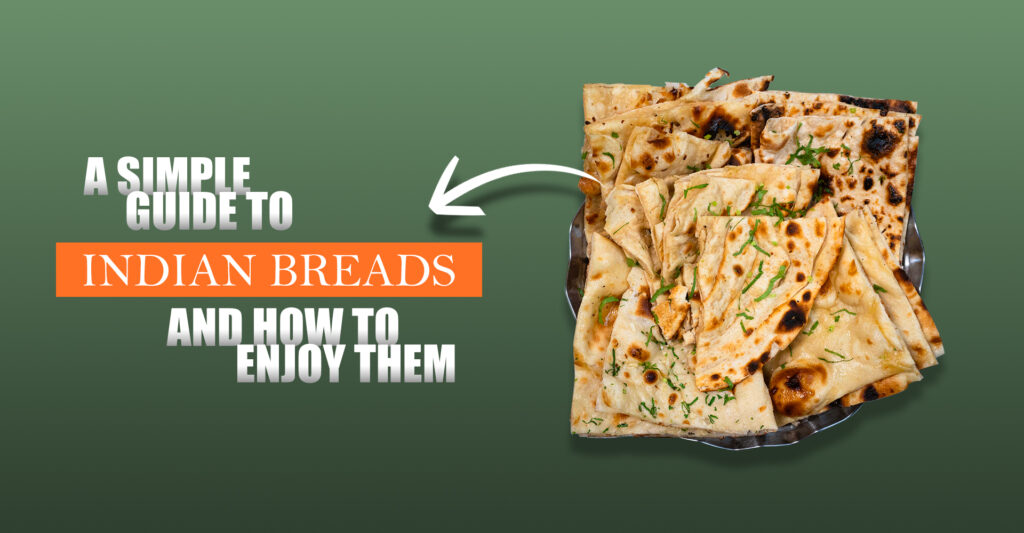
Indian cuisine is often celebrated for its rich curries and aromatic spices, but breads play an equally important role at the table. From soft and fluffy naan to rustic whole wheat roti, Indian breads are designed to scoop, soak and balance flavours beautifully. This Indian breads guide is here to help you understand the most popular varieties and how to enjoy them the right way.
For many diners in the UK, Indian bread is more than just a side. It is part of the experience. Used to pick up sauces, wrap grilled meats or simply enjoy on its own, bread brings everything together. Once you understand the differences between each type, ordering becomes easier and far more enjoyable.
Indian breads are not just fillers. They are carefully crafted to complement specific dishes. Some are light and fluffy, while others are hearty and crisp. Each one pairs differently depending on the texture and richness of the curry or grilled dish it is served with.
Across India, bread choices vary by region, cooking method and ingredients. Many of these breads have travelled far beyond their origins and are now staples in Indian restaurants across the UK.
If you want a deeper look at the origins and regional varieties, resources explaining the Types of Indian bread offer helpful background on how these breads developed.
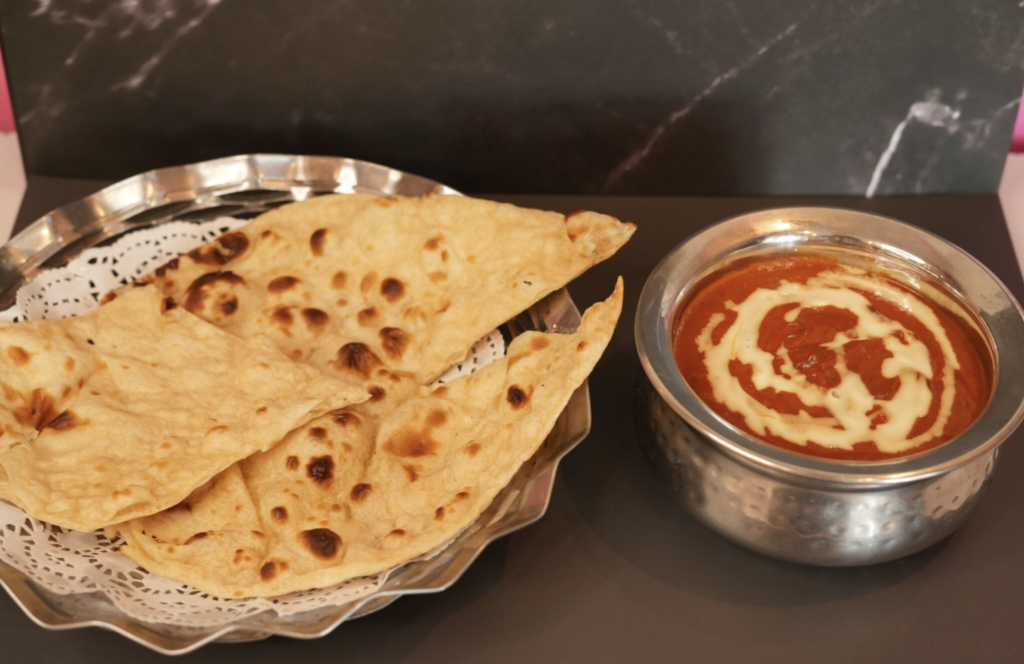
Naan is perhaps the most familiar Indian bread in Britain. Traditionally cooked in a tandoor oven, naan is known for its soft texture and slight chew.
It is made using refined flour and yoghurt, which gives it a light and pillowy feel. Naan is perfect for:
Garlic naan and butter naan are especially popular because they add extra flavour without overpowering the dish.
Roti is a staple in Indian homes. Made with whole wheat flour and cooked on a flat pan, it is thinner and lighter than naan.
Roti is ideal if you prefer:
Because it is neutral in flavour, roti allows the spices in the curry to shine. Many people who eat Indian food regularly choose roti for its simplicity and balance.
Paratha is richer than roti and often pan fried with oil or ghee. It is flaky, layered and incredibly satisfying.
There are many varieties of paratha, including plain, stuffed or spiced versions. Parathas pair well with:
Paratha is a great choice if you want something indulgent that still complements your meal rather than overpowering it.
Kulcha is similar to naan but often slightly denser and sometimes stuffed. It is typically baked and served with dishes that have bold flavours.
Kulcha works well with:
Its texture holds up well against thicker gravies, making it a great alternative to naan.
Puri is a deep fried bread that puffs up when cooked. It is light, airy and crisp on the outside.
Puri is usually enjoyed with:
Because puris are fried, they are often eaten on special occasions rather than daily meals.
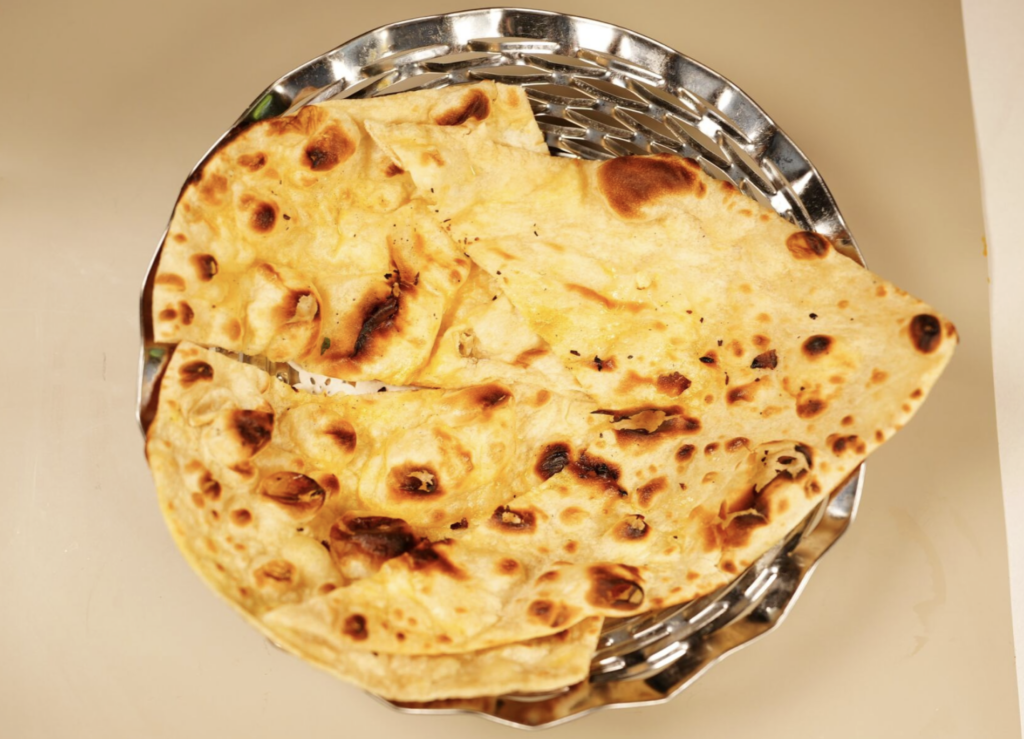
Choosing the right bread can elevate your meal. Here is a simple way to decide:
If you are unsure, many menus group Indian breads and sides together, making it easier to explore different combinations.
Indian meals are designed to be interactive. Using bread to scoop curry is part of the tradition. It encourages slower eating, shared plates and conversation at the table.
Bread also helps balance spice. A bite of naan or roti can soften heat and bring harmony to strong flavours. This is why Indian bread is rarely optional, it is essential.
Indian breads have become a favourite in British dining because they are:
They fit naturally into both casual meals and celebratory dining, making them a timeless choice.
Indian breads do more than fill the plate. They bring balance, texture and comfort to every meal. Whether you choose naan, roti, paratha or kulcha, each bread adds its own character to the dining experience.
Breads are an important part of Indian cuisine. This Indian breads guide is a great starting point for anyone wanting to enjoy Indian food the traditional way. Once you understand how each bread works with different dishes, every meal becomes more satisfying.
Roti is generally lighter as it is made with whole wheat flour and less fat. Naan is richer and more indulgent.
Yes. Many breads taste great on their own or with chutneys and yoghurt.
Naan and paratha help balance spice due to their richness.
Most Indian breads are vegetarian. Always check if butter or ghee is used.
Absolutely. Indian breads are meant to be shared and enjoyed together.
Naan is the easiest starting point, followed by roti if you prefer something lighter.
Privacy Policy | Terms and Conditions |
© 2025 Nashtaa. All rights reserved. Site by Base Marketing
Phone: +44 7546 281630
Monday
Tuesday
Wednesday
Thursday
Friday
Saturday
Sunday
08:00 AM – 04:00 PM
08:00 AM – 04:00 PM
08:00 AM – 04:00 PM
08:00 AM – 04:00 PM
08:00 AM – 04:00 PM
08:00 AM – 04:00 PM
08:00 AM – 04:00 PM